
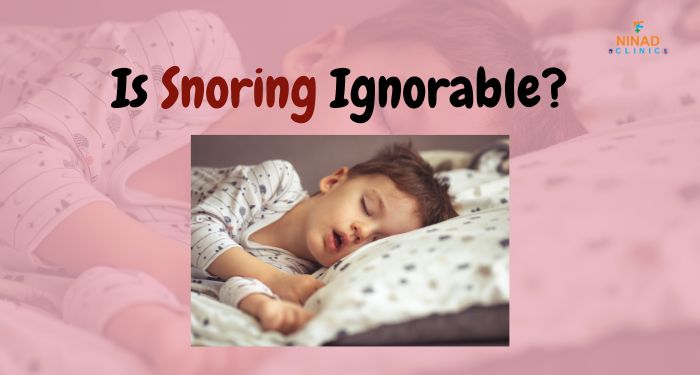
Snoring is often associated with adults, especially those with sleep disorders or lifestyle-related health issues. However, many parents are surprised to find their child snoring during the night. While occasional snoring may not be unusual, persistent or loud snoring in children can indicate an underlying medical condition that should not be ignored.
This blog explores the causes of childhood snoring, when it’s considered normal, when it’s a red flag, and what treatment options are available.
Understanding Snoring in Children
Snoring occurs when airflow through the mouth and nose is partially blocked during sleep. This obstruction causes tissues in the throat to vibrate, producing the familiar snoring sound. In children, snoring may be caused by a variety of factors, ranging from temporary infections to structural abnormalities in the airway.
Occasional snoring due to a cold, allergies, or a sleeping position is generally harmless. However, habitual snoring (three or more nights per week) can be a symptom of pediatric sleep-disordered breathing (SDB), a spectrum of conditions that includes obstructive sleep apnea (OSA)—a potentially serious sleep disorder.
Common Causes of Snoring in Children
1. Enlarged Tonsils or Adenoids
One of the most common causes of snoring in children is enlarged tonsils or adenoids, which can block the airway during sleep. This condition is particularly common between the ages of 3 and 7.
2. Allergies or Sinus Infections
Seasonal allergies or chronic sinus infections can cause nasal congestion, forcing the child to breathe through the mouth and increasing the risk of snoring.
3. Obesity
Excess weight, particularly around the neck, can narrow the airway and lead to snoring. Childhood obesity is a growing concern and can be linked to multiple sleep-related disorders.
4. Asthma
Children with asthma may experience increased airway resistance during sleep, leading to noisy breathing or snoring.
5. Deviated Nasal Septum
A deviated septum can make breathing difficult through the nose and result in habitual snoring.
6. Sleep Position
Sleeping on the back can cause the tongue to fall backward into the throat, partially blocking the airway.
When Snoring Becomes a Concern
Snoring, in itself, may not always be a sign of a serious issue. However, certain symptoms accompanying snoring should alert parents to seek medical advice. These include:
-
Loud, persistent snoring
-
Gasping, choking, or pauses in breathing during sleep
-
Restless sleep or frequent awakenings
-
Daytime sleepiness or fatigue
-
Behavioral issues such as irritability or inattention
-
Poor academic performance
-
Bedwetting
These symptoms could indicate obstructive sleep apnea, a condition that affects the quality of sleep and oxygen levels, impacting a child’s growth, brain development, and overall health.
Health Risks of Untreated Sleep Apnea in Children
When sleep apnea or other causes of sleep-disordered breathing are left untreated, the effects can be far-reaching:
-
Cognitive impairments such as poor memory, learning difficulties, and attention deficit
-
Behavioral problems resembling ADHD
-
Slowed physical growth due to disrupted growth hormone secretion during sleep
-
Heart problems such as elevated blood pressure
-
Reduced immune function, leading to frequent illnesses
Early detection and treatment are essential to prevent these complications.
Diagnosis: What to Expect
If your child is showing signs of habitual snoring or sleep disturbances, it’s crucial to consult an ENT specialist. A thorough evaluation will include:
-
Medical history and symptom review
-
Physical examination of the nose, throat, tonsils, and adenoids
-
Sleep study (Polysomnography) if obstructive sleep apnea is suspected
-
Allergy testing in cases of persistent nasal congestion
In some cases, imaging tests like X-rays or MRIs may be required to identify structural problems in the airway.
Treatment Options for Childhood Snoring
The treatment plan will depend on the underlying cause of the snoring. Some of the most effective treatment approaches include:
1. Tonsillectomy and/or Adenoidectomy
If enlarged tonsils or adenoids are blocking the airway, surgical removal may be recommended. This procedure often results in significant improvement or complete resolution of snoring and sleep apnea symptoms.
2. Allergy Management
For children with nasal allergies, antihistamines, nasal corticosteroids, and environmental control (like dust reduction) can improve breathing and reduce snoring.
3. Weight Management
If obesity is contributing to the problem, a combination of healthy diet, exercise, and family lifestyle changes may be advised.
4. CPAP Therapy
In severe cases of obstructive sleep apnea where surgery isn’t an option, Continuous Positive Airway Pressure (CPAP) therapy may be used. This involves wearing a mask over the nose or mouth during sleep to keep the airway open.
5. Orthodontic or Dental Treatments
Sometimes, a narrow jaw or misaligned teeth can contribute to sleep-disordered breathing. A pediatric dentist or orthodontist may suggest oral appliances to correct these issues.
For families in Pune looking for specialized care, snoring treatment in PCMC is available through experienced ENT professionals who focus on pediatric sleep disorders.
Home Care Tips for Parents
In addition to medical treatment, these home care strategies can support better sleep quality and reduce snoring in children:
-
Establish a consistent bedtime routine
-
Keep the child’s room allergen-free by washing bedding regularly and using air purifiers
-
Encourage side-sleeping to prevent airway collapse
-
Limit screen time and heavy meals before bedtime
-
Ensure good hydration and avoid late-night sugary snacks
When to Seek Immediate Help
If your child is experiencing any of the following, consult a doctor immediately:
-
Pauses in breathing while sleeping
-
Difficulty waking in the morning
-
Bluish skin during sleep (a sign of oxygen deprivation)
-
Excessive daytime drowsiness or falling asleep in school
-
Noticeable mood swings or hyperactivity
Early diagnosis can make a big difference in your child’s development and well-being.
Conclusion
While occasional snoring in children may not be alarming, persistent or loud snoring accompanied by disturbed sleep or behavioral changes should never be ignored. Sleep plays a critical role in a child’s development, and anything that interferes with it can have long-term effects. Timely consultation with a qualified ENT specialist ensures your child receives appropriate care and lives a healthy, energetic life.