
Introduction
Loud DJ music is a common part of weddings, festivals, celebrations, and public events. However, continuous exposure to high-volume music can affect your hearing and overall ear health. The powerful sound produced by DJ speakers may seem exciting, but listening to it for a long time can damage the sensitive structures inside your ears. Understanding the risks, recognizing warning signs, and seeking timely ENT treatment can help protect your hearing.
How Does Loud DJ Sound Affect Your Ears?
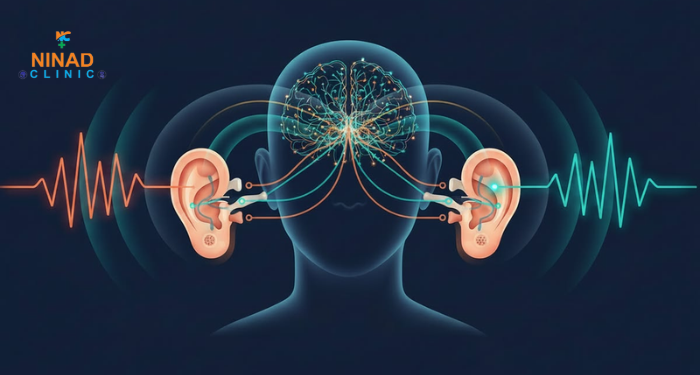
Our ears contain tiny sensory hair cells inside the inner ear that help convert sound vibrations into signals sent to the brain. Exposure to loud music can damage these delicate cells. Since these hair cells do not regenerate in humans, severe damage may lead to permanent hearing loss.
Here are some common ear problems caused by loud DJ sound:
1. Temporary or Permanent Hearing Loss
After attending a loud DJ event, you may experience muffled hearing or difficulty understanding conversations. This may be temporary, but repeated exposure to loud sounds can cause permanent noise-induced hearing loss.
2. Ringing in the Ears (Tinnitus)
Some people experience ringing, buzzing, whistling, or humming sounds after exposure to loud music. This condition is known as tinnitus. If the symptoms continue or occur repeatedly, consult an ENT doctor for evaluation.
3. Ear Pain and Discomfort
Very loud music can cause ear discomfort, a feeling of pressure, or increased sensitivity to everyday sounds. If the pain continues, medical assessment can help identify the cause.
4. Difficulty Understanding Speech
Repeated exposure to loud sound may affect your ability to distinguish speech, especially in crowded or noisy environments. You may find yourself asking others to repeat their words or increasing the volume of your television.
5. Dizziness and Balance Problems
The inner ear plays an important role in maintaining balance. Although dizziness is not a typical symptom of noise exposure alone, persistent dizziness after a loud event should not be ignored and requires medical evaluation.
Can Loud DJ Sound Cause an Ear Infection?
Loud sound does not directly cause a typical ear infection. Ear infections are generally associated with viral or bacterial infections and other factors affecting the ear. However, loud music can damage hearing and cause symptoms that may be confused with other ear conditions.
If you experience ear discharge, fever, persistent pain, or reduced hearing, consult an ENT doctor to determine the cause. Avoid putting oil, ear drops, or other substances into your ear without appropriate medical advice.
When Should You Seek ENT Treatment?
Consult an ENT specialist if you experience persistent ringing, muffled hearing, ear pain, or difficulty hearing after attending a loud event.
Sudden hearing loss, particularly in one ear, requires urgent medical assessment. Do not wait for the symptoms to disappear on their own. Early evaluation can be important for identifying the problem and deciding on appropriate treatment.
ENT treatment depends on the underlying condition. An ENT doctor may recommend an ear examination, hearing test, or other investigations. Treatment may include medical management, hearing rehabilitation, or other care depending on the diagnosis. Antibiotics are appropriate only for certain bacterial infections and are not a treatment for noise-induced hearing damage.
Precautions to Protect Your Ears from DJ Sound
Follow these simple precautions to reduce the risk of hearing damage:
- Maintain a safe distance from DJ speakers and loudspeakers.
- Avoid standing directly in front of powerful speakers.
- Limit the time you spend in noisy environments.
- Use properly fitted hearing protection, such as earplugs, when attending loud events.
- Take regular breaks in a quiet area.
- Avoid increasing headphone volume to unsafe levels after a loud event.
- Never ignore persistent ringing or reduced hearing.
Conclusion
DJ music can make celebrations enjoyable, but excessive sound exposure can harm your hearing. Temporary ringing or muffled hearing may be a warning sign that your ears need rest and attention. Repeated exposure can increase the risk of lasting hearing damage.
Protect your ears by limiting exposure to loud music and following appropriate precautions. If you experience ear pain, ringing, hearing difficulties, or symptoms suggesting an ear infection, consult an ENT doctor for timely assessment and suitable treatment.
Protect your hearing today for a healthier tomorrow.