
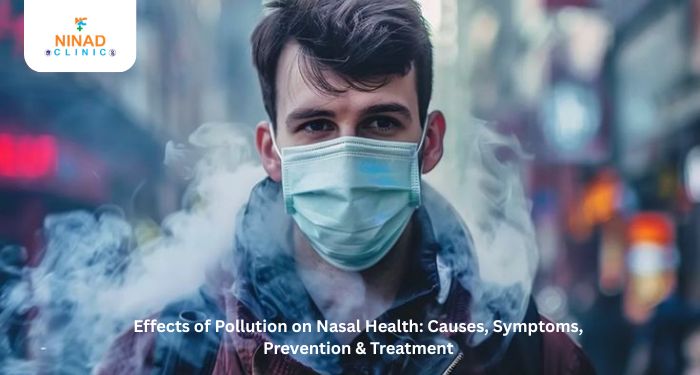
Air pollution has become a growing concern in urban areas, affecting overall health in many ways. While pollution is commonly linked with respiratory problems, it also has a significant impact on nasal health. Continuous exposure to polluted air can irritate the nasal passages, trigger allergies, increase infections, and worsen existing nasal conditions. Understanding how pollution affects your nose and taking preventive measures can help maintain better respiratory health.
If you are experiencing frequent nasal blockage, sneezing, irritation, or breathing difficulties, consulting an ENT Specialist in Pimple Nilakh can help identify the underlying cause and provide appropriate treatment.
How Does Air Pollution Affect Nasal Health?
The nose acts as the first protective barrier of the respiratory system. It filters dust, pollutants, allergens, and harmful particles before air reaches the lungs. However, prolonged exposure to polluted air can overload this natural defense system.
Pollutants such as smoke, vehicle emissions, industrial gases, dust particles, and chemical irritants can damage the sensitive lining of the nasal passages. This may lead to inflammation, dryness, and increased sensitivity of the nose.
Common pollutants affecting nasal health include:
- Dust and particulate matter
- Vehicle exhaust fumes
- Industrial smoke
- Cigarette smoke
- Chemical pollutants
- Construction dust
- Seasonal allergens mixed with pollution
Common Nasal Problems Caused by Pollution
1. Nasal Allergy and Irritation
Pollution can trigger allergic reactions in sensitive individuals. When harmful particles enter the nose, the immune system may respond by releasing chemicals that cause irritation.
Common symptoms include:
- Frequent sneezing
- Runny nose
- Nasal itching
- Watery eyes
- Throat irritation
- Nasal congestion
People with allergic tendencies may experience worsening symptoms during periods of high pollution.
2. Nasal Congestion and Breathing Difficulty
Polluted air can cause swelling of the nasal lining, reducing airflow through the nasal passages. This may result in a blocked nose and difficulty breathing comfortably.
Chronic nasal blockage can affect sleep quality, daily activities, and overall comfort. Proper evaluation by an ENT Specialist in Pimple Nilakh can help determine whether the blockage is due to allergy, infection, sinus problems, or structural issues.
3. Sinus Problems
Pollution can increase the risk of sinus-related issues by causing inflammation and affecting normal mucus drainage. When mucus becomes trapped in the sinus cavities, it may lead to discomfort and recurring symptoms.
Signs of sinus-related problems may include:
- Facial pressure
- Head heaviness
- Nasal discharge
- Reduced sense of smell
- Post-nasal drip
People who frequently experience these symptoms should seek medical advice for proper diagnosis and management.
4. Increased Risk of Nasal Infections
Pollution can weaken the natural defense mechanism of the nasal passages. When the protective lining becomes irritated, bacteria and viruses may enter more easily, increasing the possibility of infections.
Maintaining nasal hygiene and reducing exposure to pollutants can help lower the risk of repeated nasal infections.
5. Reduced Sense of Smell
Long-term exposure to pollutants may affect the cells responsible for detecting smells. Inflammation inside the nose can interfere with normal airflow and reduce the ability to identify different odors.
If loss or reduction of smell continues, an ENT evaluation is recommended.
Impact of Indoor Pollution on Nasal Health
Many people focus only on outdoor pollution, but indoor air quality also plays an important role in nasal health.
Indoor pollutants may include:
- Dust from furniture and carpets
- Mold growth
- Cleaning chemicals
- Smoke from cooking
- Poor ventilation
Spending long hours in polluted indoor environments can contribute to nasal irritation and allergy symptoms.
Who Is More Prone to Pollution-Related Nasal Problems?
Certain individuals may be more sensitive to air pollution, including:
- People with existing allergies
- Children
- Older adults
- Individuals with asthma
- People working in dusty environments
- Those living in areas with high pollution levels
Regular monitoring and preventive care can help manage symptoms effectively.
Tips to Protect Your Nasal Health from Pollution
1. Reduce Exposure to Polluted Air
Try to avoid spending extended periods outdoors when pollution levels are high. Wearing a protective mask in heavily polluted areas can reduce exposure to harmful particles.
2. Maintain Nasal Hygiene
Keeping nasal passages clean can help remove dust and allergens. Saline nasal sprays or washes may help maintain moisture and cleanliness, but they should be used as advised by a healthcare professional.
3. Stay Hydrated
Adequate water intake helps maintain healthy mucus production and prevents dryness inside the nose.
4. Improve Indoor Air Quality
To reduce indoor pollution:
- Keep rooms well ventilated
- Clean dust regularly
- Avoid smoking indoors
- Maintain air filters properly
- Reduce exposure to strong chemical fragrances
5. Manage Allergies Properly
If you frequently experience sneezing, nasal blockage, or irritation, professional guidance can help identify triggers and manage symptoms effectively.
When Should You Consult an ENT Specialist?
Many pollution-related nasal problems improve with preventive measures, but medical consultation may be needed if symptoms continue.
Consult an ENT Specialist in Pimple Nilakh if you experience:
- Persistent nasal blockage
- Frequent sneezing episodes
- Repeated sinus problems
- Difficulty breathing through the nose
- Reduced sense of smell
- Long-lasting nasal discharge
- Frequent headaches related to sinus issues
An ENT specialist can perform a detailed examination and recommend suitable treatment based on the condition.
Diagnosis and Treatment for Pollution-Related Nasal Issues
An ENT doctor may evaluate nasal health through:
- Clinical examination
- Nasal endoscopy
- Allergy assessment
- Imaging tests when required
Treatment depends on the cause and severity of the problem. Options may include:
- Allergy management
- Medication for inflammation
- Nasal sprays
- Lifestyle modifications
- Treatment for sinus conditions
- Procedures for structural nasal problems when needed
Early diagnosis helps prevent symptoms from becoming long-term problems.
Importance of Regular Nasal Care
Your nose plays an essential role in breathing, filtering air, and protecting the respiratory system. Taking care of nasal health is especially important in environments affected by pollution.
Simple habits such as maintaining cleanliness, avoiding unnecessary exposure, managing allergies, and seeking timely medical advice can make a significant difference.
Conclusion
Air pollution can negatively affect nasal health by causing irritation, allergies, congestion, sinus problems, and reduced sense of smell. With increasing pollution levels, protecting your nasal passages and recognizing early symptoms has become more important than ever.
If you are facing persistent nasal discomfort, allergy symptoms, or breathing issues, consulting an ENT Specialist in Pimple Nilakh can help with accurate diagnosis and effective management. Proper care, preventive steps, and timely treatment can help maintain healthy nasal function and improve your overall quality of life.