
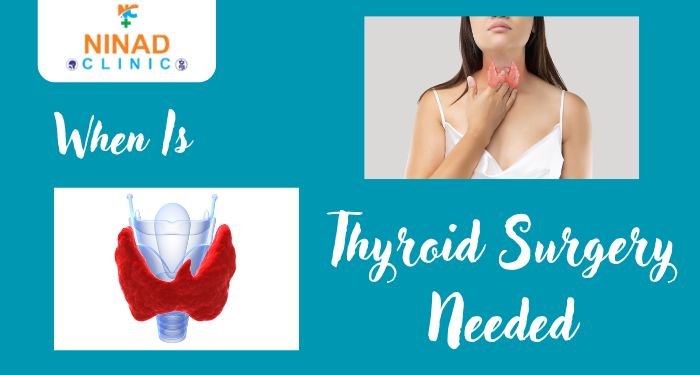
The thyroid gland may be small, but it plays a huge role in your body’s metabolism, growth, and energy regulation. Located at the base of your neck, this butterfly-shaped gland produces hormones that influence nearly every organ system. When the thyroid doesn’t function properly — due to swelling, nodules, or abnormal hormone production — medical treatment may not always be enough. In such cases, thyroid gland surgery becomes necessary.
This blog covers when thyroid surgery is recommended, symptoms you should never ignore, and what to expect before and after the procedure. Whether you’re dealing with a suspicious thyroid lump, overactive thyroid, or a goiter causing discomfort, understanding your options can lead to early intervention and better health outcomes. consult an experienced ENT specialist in PCMC who can assess your thyroid health through ultrasound, blood tests, and biopsy if needed.
What Does the Thyroid Gland Do?
Before diving into surgery, it helps to understand the gland’s role. The thyroid produces hormones — primarily thyroxine (T4) and triiodothyronine (T3) — that control how your body uses energy. It affects:
-
Heart rate
-
Body temperature
-
Digestion
-
Muscle strength
-
Menstrual cycles
-
Weight and mood
When thyroid function becomes abnormal, it can lead to two main conditions:
-
Hypothyroidism – underactive thyroid
-
Hyperthyroidism – overactive thyroid
Additionally, the gland can develop nodules, cysts, goiters, or thyroid cancer, all of which might need further evaluation.
When Is Thyroid Gland Surgery Needed?
Thyroid surgery, also called a thyroidectomy, involves removing part or all of the thyroid gland. It is typically considered when:
1. Thyroid Nodules Are Suspicious or Cancerous
Not all thyroid nodules are cancerous. But if a nodule is growing, causing compressive symptoms, or shows malignant signs on a biopsy, surgery is often the next step. Early thyroid cancer detection often leads to a favorable outcome when managed with surgery.
2. Enlarged Goiter or Thyroid Causing Pressure
A goiter may become so large that it causes difficulty swallowing, breathing issues, or visible neck swelling. In such cases, removing the gland can relieve pressure symptoms and restore comfort.
3. Overactive Thyroid (Hyperthyroidism) Not Managed Medically
Sometimes, conditions like Graves’ disease or toxic nodules cause excessive thyroid hormone production that can’t be controlled with medication or radioactive iodine. Surgery helps in such resistant cases.
4. Recurrent Thyroid Cysts
Although fluid-filled cysts can be drained, they often return. Recurrent cysts that affect quality of life may require surgical intervention.
5. Cosmetic or Voice Changes
A visibly enlarged thyroid may create cosmetic concerns or voice changes due to pressure on vocal nerves. Surgery can help restore normal appearance and voice quality.
Symptoms That May Lead to Thyroid Surgery
While not every symptom results in surgery, some signs should prompt immediate evaluation by your healthcare provider:
-
Swelling or lump in the neck
-
Difficulty swallowing or breathing
-
Hoarseness or voice changes
-
Persistent cough not related to cold or flu
-
Rapid heartbeat, weight loss, and anxiety (signs of hyperthyroidism)
-
Fatigue, weight gain, cold intolerance (signs of hypothyroidism)
-
Neck pain or tightness
-
Family history of thyroid cancer or autoimmune thyroid disease
If you experience any of these symptoms, especially if they are persistent or worsening, consult an experienced ENT specialist in PCMC who can assess your thyroid health through ultrasound, blood tests, and biopsy if needed.
Types of Thyroid Surgeries
There are several types of thyroid gland surgeries depending on the condition being treated:
1. Total Thyroidectomy
The entire thyroid gland is removed. It is commonly done in cases of thyroid cancer or large goiters. Patients will need lifelong thyroid hormone replacement therapy after this procedure.
2. Hemithyroidectomy (Lobectomy)
Only one lobe of the thyroid is removed. Often done when a nodule or issue is confined to one side. Some patients may not require hormone therapy if the remaining lobe functions well.
3. Subtotal Thyroidectomy
Part of the gland is left behind. This procedure is now rarely performed but may be used in certain goiter or hyperthyroidism cases.
Risks and Recovery from Thyroid Surgery
Like any surgery, thyroidectomy carries potential risks, though they are rare in the hands of experienced surgeons:
-
Bleeding or infection
-
Temporary or permanent hoarseness
-
Damage to the parathyroid glands, affecting calcium levels
-
Scarring (usually minimal with modern techniques)
-
Hypothyroidism requiring medication
Recovery:
Most people recover within 1 to 2 weeks and can return to normal activities. You may experience a sore throat, mild neck stiffness, or fatigue initially. Follow-up visits and monitoring thyroid hormone levels are essential post-surgery.
After Thyroid Surgery
After the procedure, your care doesn’t end. Regular monitoring ensures your hormone levels remain stable. Your doctor will likely prescribe levothyroxine, a synthetic thyroid hormone, especially if the entire gland is removed.
Long-term, most patients live normal, healthy lives. With the right dosage of hormone replacement, you should feel just as energetic and balanced as before. Regular check-ups and blood tests will be needed to fine-tune your medication.
If your surgery was due to thyroid cancer, your care team may also recommend radioactive iodine therapy or additional imaging tests to ensure there is no recurrence.
Preventive Tips and Early Detection
-
Perform a neck self-exam monthly to feel for any unusual lumps or swelling.
-
If you have a family history of thyroid conditions, discuss screening with your doctor.
-
Watch for persistent symptoms like fatigue, unexplained weight changes, or mood shifts.
-
Ensure adequate intake of iodine, especially in areas where iodine deficiency is common.
Early detection often results in less invasive treatments and better long-term outcomes.
Final Thoughts
Thyroid gland surgery may sound intimidating, but it is a safe and effective treatment for many thyroid conditions — from persistent nodules and goiters to hormone imbalances and cancer. The key lies in early diagnosis and expert surgical care.
If you’re dealing with thyroid symptoms or have been advised to undergo further evaluation, don’t delay. Timely consultation with an experienced ENT surgeon can make all the difference in your treatment journey.