
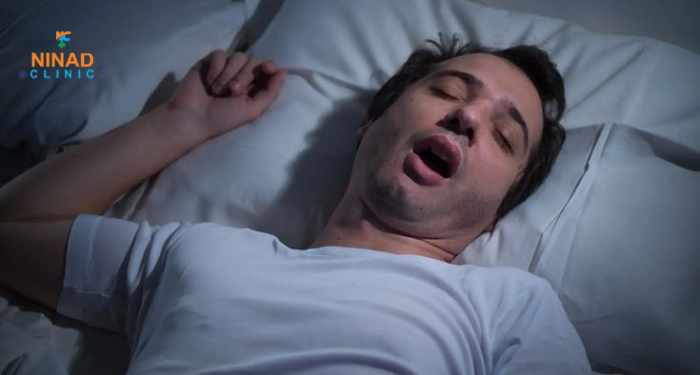
Breathing through the nose is the natural way to breathe during sleep. However, some people develop a habit of breathing through their mouth, especially at night. Occasional mouth breathing may not be a concern, but persistent mouth breathing during sleep can indicate an underlying health problem.
Understanding the causes, symptoms, and treatment options can help improve sleep quality and overall health. Consulting an ENT Specialist in PCMC can help identify the reason for mouth breathing and provide appropriate treatment.
What Causes Mouth Breathing During Sleep?
Several conditions can make nasal breathing difficult, leading to mouth breathing during sleep.
1. Nasal Blockage
Nasal congestion caused by allergies, sinus infections, or inflammation can restrict airflow through the nose. When nasal breathing becomes difficult, the body may naturally switch to mouth breathing.
2. Enlarged Tonsils and Adenoids
Enlarged tonsils or adenoids can partially block the airway, particularly in children. This may cause snoring, restless sleep, and difficulty breathing through the nose.
3. Deviated Nasal Septum
The nasal septum separates the two nostrils. When it is deviated or crooked, it can restrict airflow and make nasal breathing difficult, especially while sleeping.
4. Allergic Rhinitis
Allergies to dust, pollen, or other environmental triggers can cause sneezing, nasal congestion, and a runny nose. These symptoms may become worse at night and contribute to mouth breathing.
Health Effects of Mouth Breathing During Sleep
Persistent mouth breathing can affect sleep quality and overall well-being.
- Poor Sleep Quality: Difficulty breathing through the nose may lead to frequent awakenings and disturbed sleep.
- Snoring: Mouth breathing can contribute to snoring due to changes in airflow through the upper airway.
- Dry Mouth and Throat: Breathing through the mouth can cause dryness, irritation, and discomfort upon waking.
- Daytime Fatigue: Poor sleep may result in tiredness, reduced concentration, and irritability.
- Dental Problems: Chronic mouth breathing may contribute to dry mouth, bad breath, and an increased risk of dental issues.
In some individuals, mouth breathing during sleep may be associated with obstructive sleep apnea, a condition in which breathing repeatedly stops and starts during sleep.
How Is Mouth Breathing Diagnosed?
An ENT specialist evaluates the nose, throat, and airway to identify the underlying cause. The examination may include:
- Reviewing symptoms and sleep patterns.
- Examining the nasal passages and throat.
- Nasal endoscopy, if required.
- Sleep study, when sleep apnea is suspected.
Early evaluation can help identify conditions that may affect breathing and sleep quality.
Treatment Options for Mouth Breathing During Sleep
Treatment depends on the underlying cause and the severity of symptoms.
Medications: Nasal sprays, antihistamines, or other prescribed medicines may help manage allergies and nasal inflammation.
Saline Nasal Irrigation: Saline rinses may help clear mucus and reduce nasal congestion.
Treatment for Enlarged Tonsils or Adenoids: In selected cases, surgical treatment may be recommended if enlarged tonsils or adenoids significantly obstruct breathing.
Septoplasty: When a deviated nasal septum causes significant nasal obstruction, surgery may be considered to improve airflow.
Sleep Apnea Management: If obstructive sleep apnea is diagnosed, treatment may include lifestyle modifications, CPAP therapy, or other appropriate interventions.
When Should You Consult an ENT Specialist?
Do not ignore persistent mouth breathing, especially if it is accompanied by loud snoring, frequent nighttime awakenings, morning headaches, or daytime sleepiness. Children who regularly sleep with their mouths open or experience restless sleep should also be evaluated.
If you are experiencing persistent nasal blockage or mouth breathing during sleep, consult an experienced ENT Specialist in PCMC for proper evaluation and treatment.
Identifying the underlying cause can help improve nasal breathing, support better sleep, and promote overall well-being.
Frequently Asked Questions
1. Is mouth breathing during sleep normal?
Occasional mouth breathing may occur during nasal congestion. However, persistent mouth breathing may indicate an underlying nasal or airway problem.
2. Can mouth breathing during sleep affect children?
Yes. Enlarged tonsils, adenoids, or nasal obstruction can cause mouth breathing in children and may affect sleep quality.
3. Can mouth breathing be treated permanently?
Treatment depends on the underlying cause. Addressing nasal obstruction, allergies, or enlarged tonsils may help improve breathing during sleep.
4. Does mouth breathing cause snoring?
Mouth breathing can contribute to snoring, although snoring may also occur due to other airway-related conditions.
5. Which doctor should I consult for mouth breathing during sleep?
An ENT specialist can evaluate nasal and throat conditions that may cause mouth breathing and recommend suitable treatment