
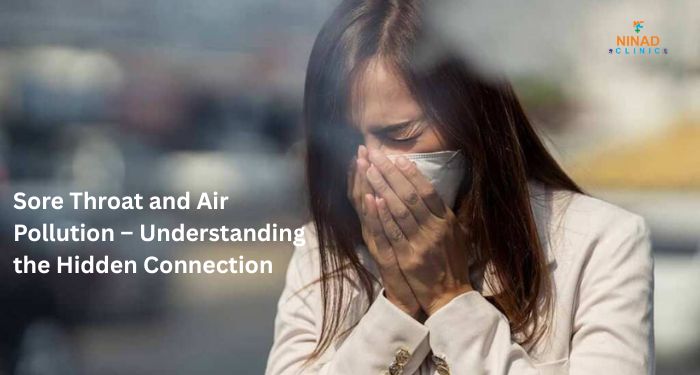
Sore throat cases rise sharply during pollution season, and many people don’t realize how deeply polluted air affects the throat, voice, and breathing. This blog explains the real connection between air pollution and throat inflammation, why your throat burns more in winter, how pollutants enter the airway, symptoms you should never ignore, helpful home remedies, prevention methods, and when to consult the best ENT Specialist in Pimple Nilakh for proper treatment. The explanation is simple, practical, and written in a natural, human-sounding tone, suitable for blogs and SEO.
Air pollution has become one of the biggest health concerns in urban areas. From vehicle emissions and industrial smoke to dust and seasonal smog, polluted air silently harms our airways every single day. Among the earliest signs of this damage is a sore throat—a burning, itchy, or painful sensation that often worsens during breathing, swallowing, or speaking.
While many people associate sore throat with infections, pollution-induced throat irritation is equally common, especially in cities where AQI rises drastically. Understanding how air pollution affects your throat is essential for preventing long-term issues and protecting your respiratory health.
How Air Pollution Causes Sore Throat
When you breathe, your nose and throat work as the first line of defense, filtering pollutants before they reach your lungs. However, when pollution levels are high, harmful particles overwhelm the throat’s protective layer.
Major pollutants responsible for throat irritation include:
PM2.5 and PM10
Vehicle exhaust (nitrogen dioxide)
Industrial smoke
Dust, pollen, and chemical fumes
Cigarette smoke and passive smoke
Burning of garbage and biomass
These pollutants settle on the throat’s mucosal lining, causing dryness, inflammation, and irritation. Prolonged exposure makes the throat more sensitive and vulnerable to infection.
Why Sore Throat Worsens in Winter
Most cities experience severe pollution during winter, leading to a sharp rise in throat infections and irritation. Cooler air traps pollutants closer to the ground, increasing their concentration in the air we breathe. Low humidity also dries the throat lining, making it more prone to inflammation.
This is why people complain of symptoms like dryness, hoarseness, and frequent throat clearing during winter mornings.
Common Symptoms of Pollution-Induced Sore Throat
Pollution-related sore throat is different from infection-related throat pain. Watch out for:
• Constant dryness and roughness in the throat
• Persistent itchiness
• Burning sensation while breathing
• Hoarse voice or difficulty speaking
• Frequent throat clearing
• Mild cough without fever
• Metallic or unpleasant taste
• Feeling of something stuck in the throat
If these symptoms last for more than a week, it may indicate deeper airway irritation.
Who Is Most at Risk?
Though pollution affects everyone, some groups are more vulnerable:
Children and elderly
People with allergies or asthma
Outdoor workers
Daily commuters
People with low immunity
Individuals exposed to smoke, dust, or chemicals
These individuals may experience more frequent or severe throat symptoms during polluted days.
Long-Term Effects of Air Pollution on the Throat
Continuous exposure to polluted air can lead to chronic throat issues such as:
Chronic pharyngitis
Voice changes
Sinus irritation
Frequent coughing and throat infections
Worsening of asthma or bronchitis
Sleep disturbances due to post-nasal drip
Ignoring these symptoms can gradually affect your overall respiratory health.
Home Remedies for Pollution-Induced Sore Throat
While medical treatment may be needed in severe cases, simple home remedies can provide relief during mild to moderate throat irritation:
1. Warm Salt Water Gargles
A classic remedy that helps reduce inflammation, cleanses the throat, and eases discomfort.
2. Steam Inhalation
Steam helps loosen mucus, moistens the throat, and reduces dryness caused by polluted air.
3. Herbal Teas
Tulsi tea, ginger tea, and chamomile tea soothe the throat naturally.
4. Honey with Warm Water
Honey has antimicrobial and anti-inflammatory properties that ease throat pain.
5. Stay Hydrated
Adequate water intake keeps the throat lining moist and reduces irritation.
6. Avoid Cold & Oily Foods
These make the throat more sensitive when pollution levels are high.
Lifestyle Tips to Prevent Pollution-Induced Sore Throat
With rising pollution, prevention is essential. You can follow these tips daily:
• Wear N95 masks while outdoors
• Keep windows closed during high-AQI hours
• Use air purifiers at home
• Avoid early-morning outdoor exercise
• Take hot showers to open nasal passages
• Consume foods rich in Vitamin C
• Avoid smoking or exposure to smoke
• Check daily AQI levels before stepping out
These habits reduce throat irritation and protect your lungs from harmful pollutants.
When Should You See an ENT Specialist?
Seek professional help if:
Your sore throat lasts more than a week
You experience difficulty swallowing
There is swelling of the tonsils
Your voice becomes persistently hoarse
You have repeated episodes of throat pain
You feel pressure in your neck or ear
There is blood in cough or excessive mucus
Persistent throat issues, especially during pollution season, should be evaluated by the best ENT Specialist in Pimple Nilakh to rule out chronic infections or airway conditions.
Treatment Options by ENT Specialists
An ENT doctor may recommend:
Throat examination and endoscopy
Medication for inflammation or allergies
Saline nasal washes
Nebulization
Treatment for acid reflux (a hidden cause of throat irritation)
Lifestyle modifications
Voice rest and hydration guidance
Proper diagnosis ensures that the right treatment is provided, preventing long-term complications.
Final Thoughts
Air pollution is an unavoidable part of modern city life, but protecting your throat and airways is in your hands. A sore throat may seem like a minor issue, but when pollution is the cause, it can quickly progress if ignored. With the right precautions, home care, and timely consultation with the best ENT Specialist in Pimple Nilakh, you can keep your throat healthy even during high-pollution days.
FAQs
1. Can air pollution cause a sore throat?
Yes. Pollutants like dust, PM2.5, smoke, and chemicals irritate the throat lining and cause pain, dryness, and burning sensation.
2. Why does my throat hurt more during winter pollution?
Cold air traps pollutants near the ground, increasing smog. This makes your throat more exposed to harmful particles, causing dryness and inflammation.
3. How does polluted air irritate the throat?
When you breathe polluted air, harmful particles scratch the throat tissues, increase mucus production, and trigger coughing and irritation.
4. Who is more sensitive to pollution-related throat issues?
Children, senior citizens, asthma patients, allergy sufferers, and frequent travellers are more likely to develop throat irritation.
5. What home remedies help relieve throat irritation from pollution?
Warm water, steam inhalation, salt-water gargles, honey, turmeric, and using a humidifier can soothe the throat.
6. How can I protect my throat from pollution?
Wear an N95 mask, avoid outdoor activity during high AQI hours, drink warm fluids, and use an air purifier indoors.